








In the 4Cs of diamonds, what does “Cut” refer to?
December 25,2024
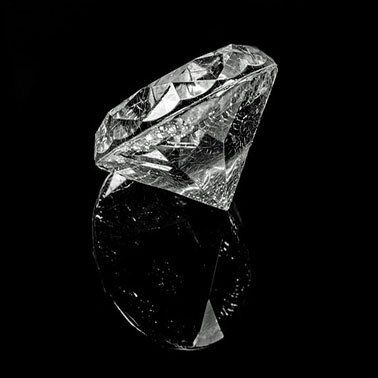
The cut of a diamond, which refers to the proportion and accuracy of its faces and shapes post – polishing, is centered around optical effects such as light refraction, reflection, and scattering. A well – executed cut maximizes fire, brightness, and sparkle, while a poor one dulls the diamond and may reduce its value. Cut standards include aspects like proportions (e.g., table percentage, crown and pavilion angles/depths affecting light behavior), symmetry (essential for proper light reflection), polish (smooth surface enhancing luster), and optical performance (brightness, fire, and scintillation). The Gemological Institute of America (GIA) grades diamond cuts from “Excellent” (perfectly cut with maximum light – handling capabilities), “Very Good” (near – perfect with high brilliance), “Good” (meeting basic standards), “Fair” (with significant optical deficiencies), to “Poor” (badly cut and dull). Historically, diamond cutting has evolved from simple early cuts in the late 16th – early 17th century, to the 19th – century classical round cut with up to 58 surfaces maximizing light, and then to modern diverse cuts like oval, square, etc. that meet various consumer demands. In essence, diamond cutting is an art – science blend, and understanding its standards and optical impacts is vital for both appreciating diamonds and making rational purchasing choices.

admin
personal profile